
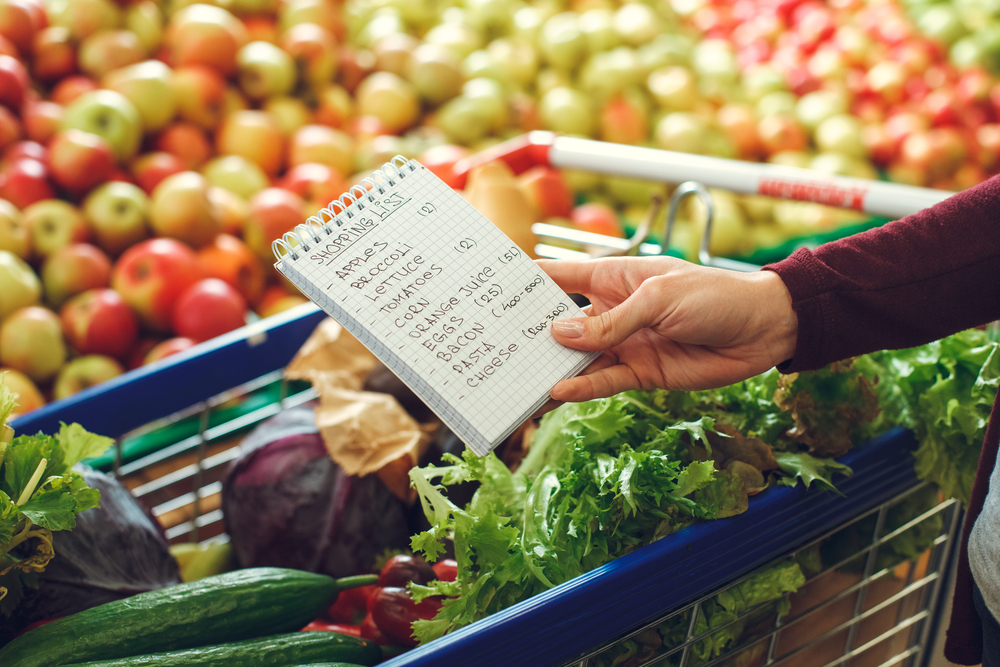

Grocery shopping can become overwhelming for busy families balancing work schedules, school routines, and household responsibilities. Without proper planning, it often leads to overspending, food waste, and repeated store visits throughout the week. A structured approach helps families save time, reduce stress, and ensure nutritious meals remain available at home.
With the right strategies, grocery shopping can shift from a rushed chore into a predictable and efficient weekly routine.
Why Grocery Planning Matters For Families
Families typically manage multiple preferences, dietary needs, and time constraints. Planning grocery trips in advance improves organization and supports healthier choices.
Effective planning helps:
- Reduce unnecessary store visits
- Prevent impulse purchases
- Save monthly household expenses
- Avoid food shortages during busy weekdays
- Maintain balanced family meals
Consistency in planning creates smoother weekly routines and fewer last-minute decisions.
Create A Weekly Meal Plan First
Meal planning is the foundation of efficient grocery shopping. Knowing what the family will eat throughout the week prevents confusion at the store and minimizes overspending.
Start by identifying:
- Breakfast options for school and workdays
- Quick weekday lunch solutions
- Easy-to-cook dinners
- Weekend special meals
- Healthy snacks for children
Planning meals around available ingredients at home further reduces unnecessary purchases.
Prepare A Smart Grocery Checklist
A checklist keeps shopping focused and prevents forgetting essential items. It also shortens time spent inside the store.
Organize the checklist by category such as:
- Fruits and vegetables
- Dairy products
- Grains and cereals
- Cooking essentials
- Snacks and beverages
- Cleaning supplies
Checking pantry and refrigerator stock before leaving home ensures accurate purchasing decisions.
Choose The Right Shopping Day And Time
Timing plays a major role in reducing stress during grocery shopping trips. Visiting stores during less crowded hours improves efficiency and comfort.
Consider:
- Early morning visits for quieter stores
- Weekday shopping instead of weekends when possible
- Planning trips after preparing a complete list
- Avoiding shopping when hungry or rushed
Selecting a fixed weekly shopping day builds consistency in household routines.
Set A Practical Grocery Budget
Budgeting helps families maintain financial stability while meeting nutritional needs. A predefined grocery budget prevents overspending and encourages smarter product choices.
To manage expenses effectively:
- Compare prices between brands
- Buy seasonal fruits and vegetables
- Purchase frequently used items in bulk
- Limit processed snack purchases
- Track weekly grocery spending patterns
Small adjustments in buying habits can significantly reduce monthly costs.
Involve Family Members In Planning
Including children and partners in grocery planning creates shared responsibility and improves cooperation during meals.
Families can:
- Ask children to choose healthy snack options
- Assign someone to check pantry inventory
- Rotate meal planning responsibilities weekly
- Encourage teenagers to help prepare shopping lists
Participation builds awareness about nutrition and budgeting within the household.
Use Digital Tools To Simplify Grocery Planning
Technology can make grocery management easier for busy households. Many families now rely on digital solutions to streamline planning.
Helpful tools include:
- Grocery list mobile applications
- Shared family reminder apps
- Online store ordering services
- Digital coupon platforms
Using technology reduces manual effort and keeps everyone updated on household needs.
Buy In Bulk But Stay Practical
Bulk buying works best for frequently used items that have longer shelf life. It reduces repeat trips and lowers per-unit costs.
Ideal bulk items include:
- Rice and flour
- Lentils and grains
- Cooking oil
- Cleaning supplies
- Frozen vegetables
However, avoid bulk purchases of perishable foods unless storage capacity allows safe preservation.
Keep Healthy Choices A Priority
Busy routines often lead families toward convenient but less nutritious options. Planning ahead supports healthier grocery decisions.
Focus on including:
- Fresh vegetables
- Seasonal fruits
- Whole grains
- Protein-rich ingredients
- Low-sugar snacks
Balanced grocery choices contribute to long-term family wellness.
Review And Adjust Your Grocery Routine Regularly
Every family’s needs change over time. Reviewing grocery habits monthly helps improve efficiency and reduce waste.
Evaluate:
- Which foods remain unused
- Items frequently purchased twice
- Budget accuracy
- Meal preferences changing within the family
Making small adjustments keeps grocery planning effective and relevant.
Frequently Asked Questions
How many times per week should families go grocery shopping
Most busy families benefit from one planned weekly trip with a smaller midweek visit only if necessary for fresh items like milk or vegetables.
What is the best way to avoid forgetting grocery items
Maintaining a running household list throughout the week helps ensure nothing important is missed during the shopping trip.
Should families shop online or visit stores physically
Both methods work well depending on schedules. Online shopping saves time, while in-store visits help compare product quality directly.
How can families reduce food waste after grocery shopping
Proper storage, meal planning, and using older ingredients first help minimize unnecessary waste.
Is it better to shop alone or with children
Shopping alone is faster, but involving children occasionally teaches them responsibility and healthy food awareness.
How can families manage grocery shopping during busy school weeks
Preparing meal plans over the weekend and stocking essentials in advance reduces stress during school days.
What are essential pantry staples every family should keep
Common staples include grains, lentils, cooking oil, spices, flour, canned goods, and long-lasting snacks for quick meal preparation.

Comments are closed.