
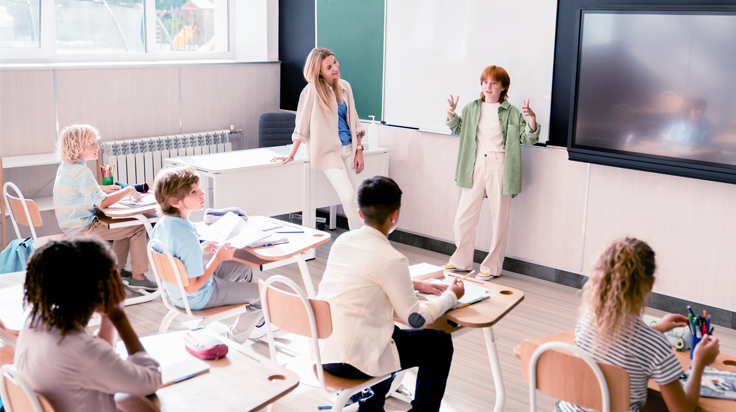

Education is one of the most powerful tools for shaping individuals and societies. It builds knowledge, strengthens values, improves decision-making ability, and prepares people to face real-life challenges with confidence. Beyond personal success, education contributes directly to economic progress, social harmony, and innovation within a nation.
A well-educated population creates stronger institutions, better leadership, and more responsible citizens. For this reason, education is considered the backbone of sustainable development.
Understanding the Meaning of Education
Education is not limited to textbooks or classroom learning. It includes the development of intellectual abilities, emotional intelligence, ethical understanding, and social awareness.
Education helps individuals
- Think critically and independently
- Communicate effectively
- Solve complex problems
- Understand cultural diversity
- Make informed life decisions
It shapes character as much as it builds knowledge.
Importance of Education in Personal Development
Education plays a central role in shaping a person’s identity and capabilities. It improves confidence and helps individuals discover their strengths and interests.
Improves Knowledge and Skills
Education equips individuals with practical and theoretical knowledge that supports career opportunities and personal advancement. It also develops analytical thinking and creativity.
Builds Confidence and Self-Reliance
Educated individuals tend to be more confident in expressing ideas and making decisions. They rely less on external guidance and become capable of managing responsibilities independently.
Encourages Critical Thinking
Education teaches people how to evaluate information logically instead of accepting ideas without questioning. This ability is essential in modern society where information is widely available.
Promotes Ethical Values
Education encourages respect, responsibility, honesty, and discipline. These values help individuals contribute positively to society.
Role of Education in Social Development
Education strengthens communities by improving awareness and cooperation among people from different backgrounds.
Reduces Social Inequality
Access to education creates equal opportunities regardless of economic status, gender, or background. It allows individuals to improve their living conditions through knowledge and skills.
Encourages Gender Equality
Educating girls leads to healthier families, better employment opportunities, and stronger communities. It plays a major role in reducing discrimination and promoting fairness.
Improves Public Health Awareness
Education increases awareness about hygiene, nutrition, and disease prevention. As a result, educated societies experience better health outcomes.
Strengthens Civic Responsibility
Educated citizens understand their rights and responsibilities. They participate actively in democratic processes and support social harmony.
Economic Benefits of Education
Education contributes significantly to economic growth and stability.
Enhances Employment Opportunities
Education prepares individuals with professional skills required in various industries. Skilled workers contribute more effectively to productivity and innovation.
Supports Entrepreneurship
Educated individuals are more likely to start businesses and create employment opportunities for others. This strengthens the overall economy.
Encourages Technological Advancement
Modern economies depend on research and innovation. Education promotes scientific thinking and technological progress.
Reduces Poverty
Education increases earning potential. Higher income levels improve living standards and reduce dependence on social support systems.
Importance of Digital Education in the Modern Era
Technology has transformed how education is delivered and accessed. Digital learning platforms allow students to learn anytime and anywhere.
Benefits of digital education include
- Flexible learning schedules
- Access to global knowledge resources
- Interactive learning experiences
- Support for remote and rural learners
- Development of technical skills required in modern careers
Digital education complements traditional classroom teaching and expands opportunities for learners worldwide.
Challenges in the Education System
Despite its importance, education systems across many regions still face several challenges.
Unequal Access to Resources
Many schools lack proper infrastructure, trained teachers, and learning materials. This creates gaps in learning outcomes.
Financial Barriers
Some families cannot afford quality education, which limits opportunities for children from economically weaker backgrounds.
Outdated Teaching Methods
Traditional teaching approaches sometimes fail to match modern learning needs. Interactive and skill-based learning methods are increasingly necessary.
Digital Divide
While digital education offers many benefits, lack of internet access and devices remains a barrier for many students.
Ways to Improve the Quality of Education
Improving education requires combined efforts from governments, institutions, teachers, and communities.
Effective strategies include
- Investing in teacher training programs
- Improving school infrastructure
- Expanding digital learning access
- Encouraging practical and skill-based learning
- Supporting inclusive education policies
- Promoting lifelong learning opportunities
Strong education systems lead to stronger societies.
Conclusion
Education plays a vital role in shaping individuals and transforming nations. It develops knowledge, builds character, promotes equality, and strengthens economic growth. In today’s rapidly changing world, investing in quality education is essential for building a secure and prosperous future.
Ensuring access to education for everyone remains one of the most important responsibilities of modern societies.
Frequently Asked Questions
1. Why is education considered the foundation of development
Education builds knowledge, improves decision-making skills, and prepares individuals to contribute positively to society and economic growth.
2. How does education influence career opportunities
Education provides technical skills, professional qualifications, and confidence that increase employment chances and career advancement.
3. What is the role of teachers in effective education
Teachers guide students, explain concepts clearly, encourage curiosity, and help learners develop critical thinking abilities.
4. How does education support national progress
Education creates skilled workers, responsible citizens, and innovative thinkers who contribute to economic and social development.
5. Why is digital education becoming important today
Digital education allows flexible learning, improves access to resources, and supports students who cannot attend traditional classrooms regularly.
6. How can communities help improve education quality
Communities can support schools through awareness programs, volunteering, and encouraging children to continue their education.
7. What is lifelong learning and why is it important
Lifelong learning refers to continuous skill development throughout life. It helps individuals adapt to changing technologies and career requirements.

Comments are closed.